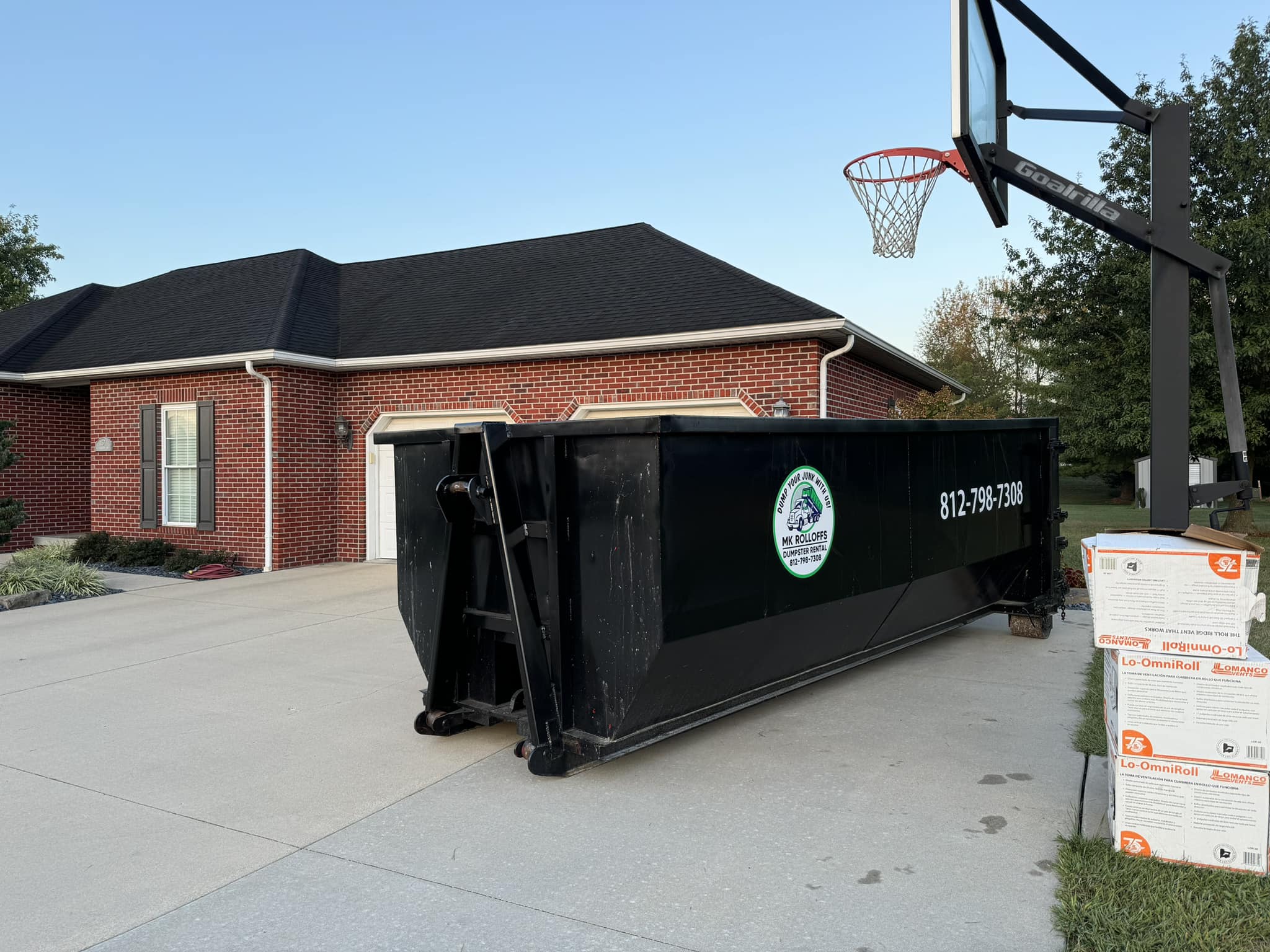
Effective waste control starts with good organization, and that includes keeping disposal under control. Whether you’re renovating a home, cleaning out a property, or tackling a construction or renovation project, renting a dumpster simplifies the entire waste process. However, even the carefully managed jobs can face hidden challenges if weight limits aren’t properly managed. Overweight dumpster fees are one of those preventable setbacks that can catch people off guard and quickly disrupt a budget.
At MK Rolloffs, we guide clients in learning about dumpster capacity and safe loading practices so they can plan ahead to stay within limits. Understanding the factors that add to dumpster weight and staying mindful of these factors helps keep your rental hassle-free. With a little insight and foresight, anyone can manage waste without worrying about overage costs. It all starts with understanding what factors influence dumpster weight and how to manage them effectively.
Identifying the Main Causes of Overweight Dumpsters
One of the most common causes of overweight dumpsters is underestimating how much certain materials weigh. Items like cardboard, small furniture, and general trash fill volume but add little weight. However, dense materials like bricks, concrete, soil, and shingles can quickly make a dumpster exceed its allowance even if the dumpster appears only half full. Understanding the difference between light and heavy materials helps you load more strategically.
Separating heavy items from general waste before you start loading can make a big difference. By dividing materials by type, you can gauge how much weight is being added and prevent overloading. It’s also wise to prevent layering dense debris with light materials that trap air pockets. A little planning before you toss materials inside ensures your dumpster stays balanced and within its safe capacity.
How to Load Your Dumpster Safely and Evenly
Even distribution inside a dumpster prevents issues during hauling. When debris is unevenly distributed inside the dumpster, it creates strain on the container that makes it unsafe to move. Piling everything on one side or at one end can cause the dumpster to become unbalanced, making it harder to haul safely. Even distribution across the entire surface ensures that the weight is shared evenly, keeping transport smooth and damage-free.
Breaking down bulky items before disposal can also help make better use of space. Collapsing cardboard, taking apart fixtures, and compressing debris allows for a better-organized fill pattern. By organizing waste as you load it, you’ll not only maximize available space while staying within safe limits. get more info This simple habit reduces the risk of overweight charges and keeps your cleanup process running smoothly.
Avoid Mixing Heavy and Light Debris in One Dumpster
Mixing materials without consideration can easily cause overloads. Merging yard waste and building materials increases total load density. Each type of material has a specific density, and combining them can make it difficult to stay within your rental’s weight capacity. The best approach is to plan separate disposal strategies for dense and lightweight items whenever possible.
Keeping certain waste streams separate also helps ensure compliance with disposal regulations. Some materials require specific handling to prevent damage or contamination during processing. Taking the time to organize and separate waste properly helps avoid overweight issues and promotes safe, responsible disposal. With a clear plan in place, you’ll have better control over what goes into your dumpster and how much weight it accumulates.
Selecting the Proper Dumpster for Your Project
Selecting a dumpster that suits your project’s scale is one of the most effective ways to avoid excess weight. Using a container that’s too small often leads to overfilling or compacting debris to fit everything in, which increases the risk of exceeding capacity. An adequately sized container allows for safe, convenient disposal while keeping within weight boundaries. Having extra space available is often smarter than filling to capacity before finishing the job.
At our company, we work closely with renters to match them with the most suitable dumpster. Talking through your project beforehand allows us to provide a container that fits your waste disposal needs perfectly. It helps ensure your dumpster can safely contain materials without becoming overweight. Selecting the right container saves time, promotes safety, and keeps your project efficient.
Understanding Moisture’s Impact and Hidden Weight Risks
One of the easiest ways to exceed dumpster limits is through unexpected moisture buildup. Rain, snow, or even humidity can cause materials such as soil, wood, and fabric to absorb water, making them significantly heavier. Even slightly damp debris can push a dumpster past its safe weight limit before you notice. Protecting waste from moisture before tossing it in the dumpster is an easy way to control total load weight.
In addition to moisture, certain materials may contain hidden weight that’s easy to underestimate. Items like refrigerators, shingles, and cabinetry have concealed materials that weigh more than they appear. Breaking heavy items into smaller sections before disposal reduces the risk of overage. Awareness of these hidden factors ensures smoother waste management and safer weight levels.
Why Staying Under the Fill Line Matters
Overfilled dumpsters are not only unsafe but also likely to exceed their weight limit. Stacking debris higher than the container may appear practical but creates major transport risks. If a dumpster cannot be properly closed or secured, it may be rejected for pickup. Maintaining an even top line helps ensure both balance and safe transport.
Proper placement of materials is the secret to managing load levels. Start with the heaviest debris at the base and layer lighter items above to maintain even weight. Layering strategically ensures full use of space while keeping within the fill boundary. Keeping your dumpster balanced helps guarantee smooth pickup and prevents unexpected issues.
How to Estimate Dumpster Load Weight
While it’s difficult to know the exact weight of every item you dispose of, estimating can still be a useful tool. Knowing the typical weight of building materials improves your waste planning. For large projects, you can divide waste by type and estimate the total weight to ensure it remains within limits. Basic weight estimates guide smarter decisions about loading limits and dumpster needs.
Tracking debris as you go helps avoid unexpected overweight results. Staged loading allows for adjustments before exceeding safe levels. That process helps manage debris quantities more efficiently. With a little monitoring, it’s easier to avoid going over capacity and maintain a smooth rental experience.
Preparing in Advance for Efficient Waste Handling
Proper planning upfront helps you avoid excessive dumpster weight. Evaluate and categorize waste types early for efficient loading later. This step not only helps you estimate the amount of waste but also allows for better loading efficiency once the container arrives. A set disposal plan promotes efficiency and helps you stay under capacity.
Our advice to renters is to take a mindful, organized approach to disposal. Scheduling waste disposal in phases, sorting materials in advance, and maintaining an organized worksite all contribute to a smoother cleanup process. When you manage waste intentionally, you reduce clutter, stay within limits, and make the most of your rental period. Such practices lead to more successful and stress-free cleanup projects.
Efficient Waste Handling for Better Results
The key to avoiding excess weight charges lies in preparation and proper loading. When you understand what adds weight, how to distribute materials properly, and why it’s important to follow fill guidelines, you gain control over your cleanup. Staying mindful of what goes into the dumpster keeps your project efficient and stress-free. Every step you take to plan and organize contributes to a safer and more cost-effective experience.
MK Rolloffs strives to support customers in managing debris efficiently with trustworthy dumpster rental options. We take pride in providing solutions that make cleanup easier, more efficient, and environmentally conscious. Adopting these weight control tips ensures your rental remains efficient and stress-free. Our goal is to ensure every customer completes their project with confidence, knowing they’ve managed waste the smart way.